Seychelles Policy Brief.
Informing policy makers on coastal flooding risk from sea level rise.
Seychelles faces escalating coastal risks as rising sea levels turn what was once a rare 1-in-100-year flood event into a far more frequent and destructive threat. New University of Kiel research, the first subnational, stakeholder-informed analysis of its kind, maps where, when, and how these risks will intensify, providing critical guidance for prioritising protection of people, infrastructure, and ecosystems through 2100.
Five years of research into a policy brief.
First of its kind research, combining subnational analysis with direct stakeholder feedback.
Which places face the most significant risks? What are the risk and adaptation timelines? What can be done to protect the three islands, their people, and infrastructure?
The research conducted by the University of Kiel over the past five years helps answer these questions for the Seychelles. It represents a significant milestone in mapping and understanding the risk of sea level rise, as well as informing the timeline of action.
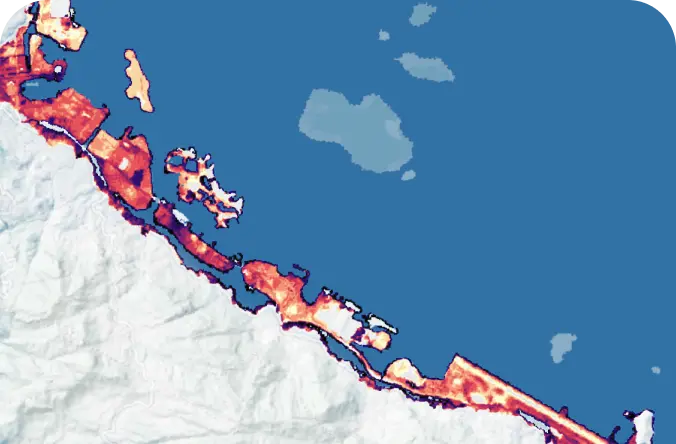
Mahé’s at risk
Mahé is the first of Seychelles’ main islands to face impacts and has the highest economic risk, particularly at the Port of Victoria and surrounding main roads.

People are affected
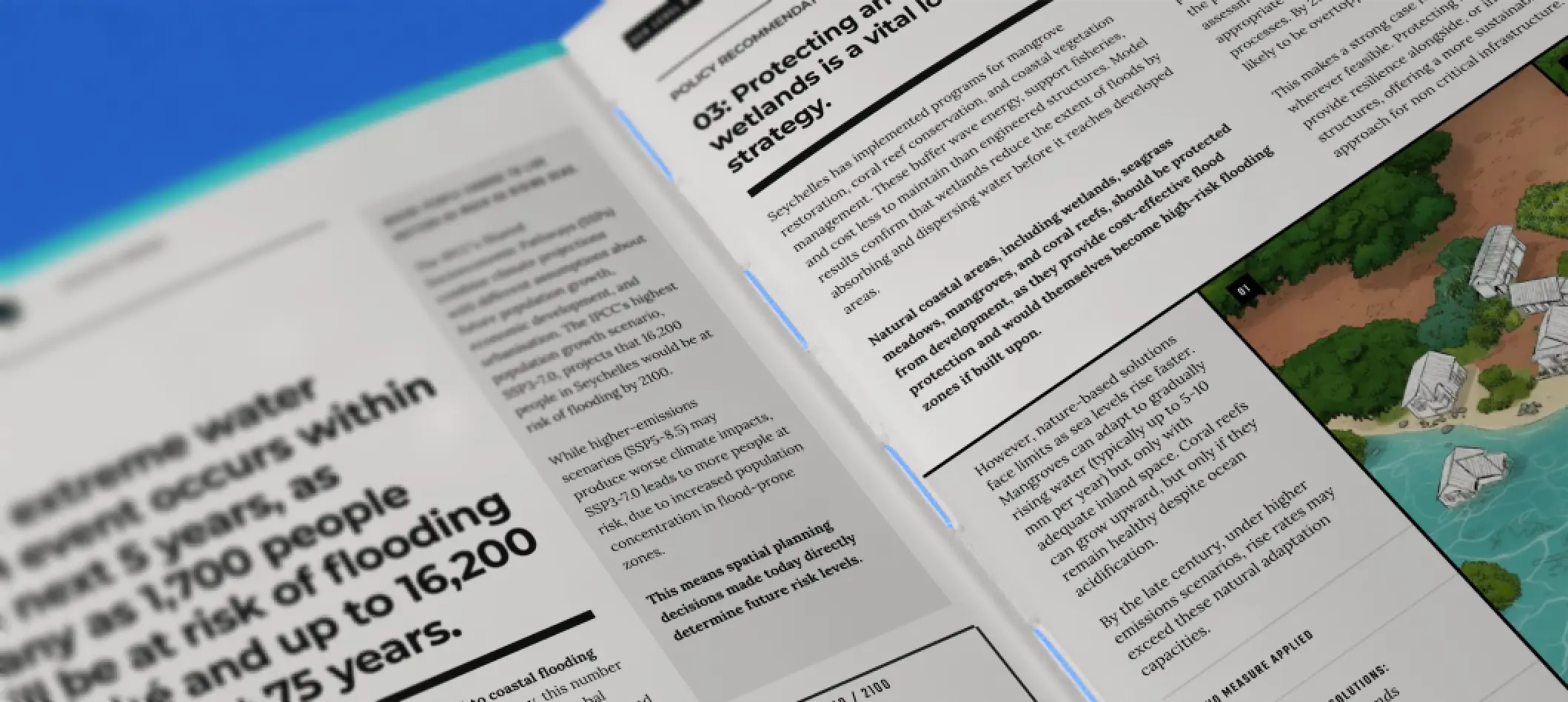
A 1-in-100 year extreme water level event would currently put as many as 1700 people at risk of flooding in Mahé, and up to 16,200 by the end of the century.
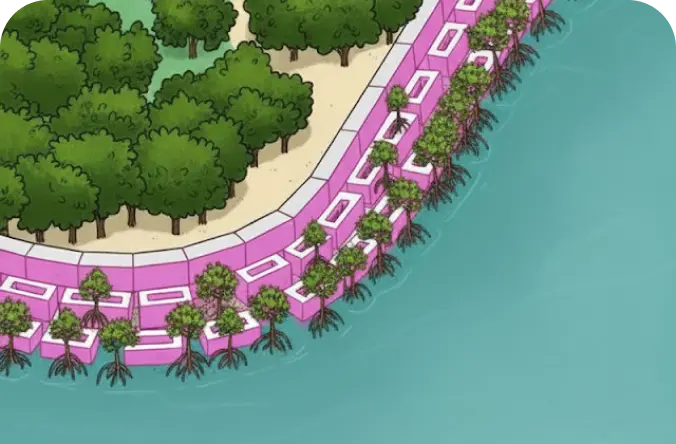
Nature based solutions
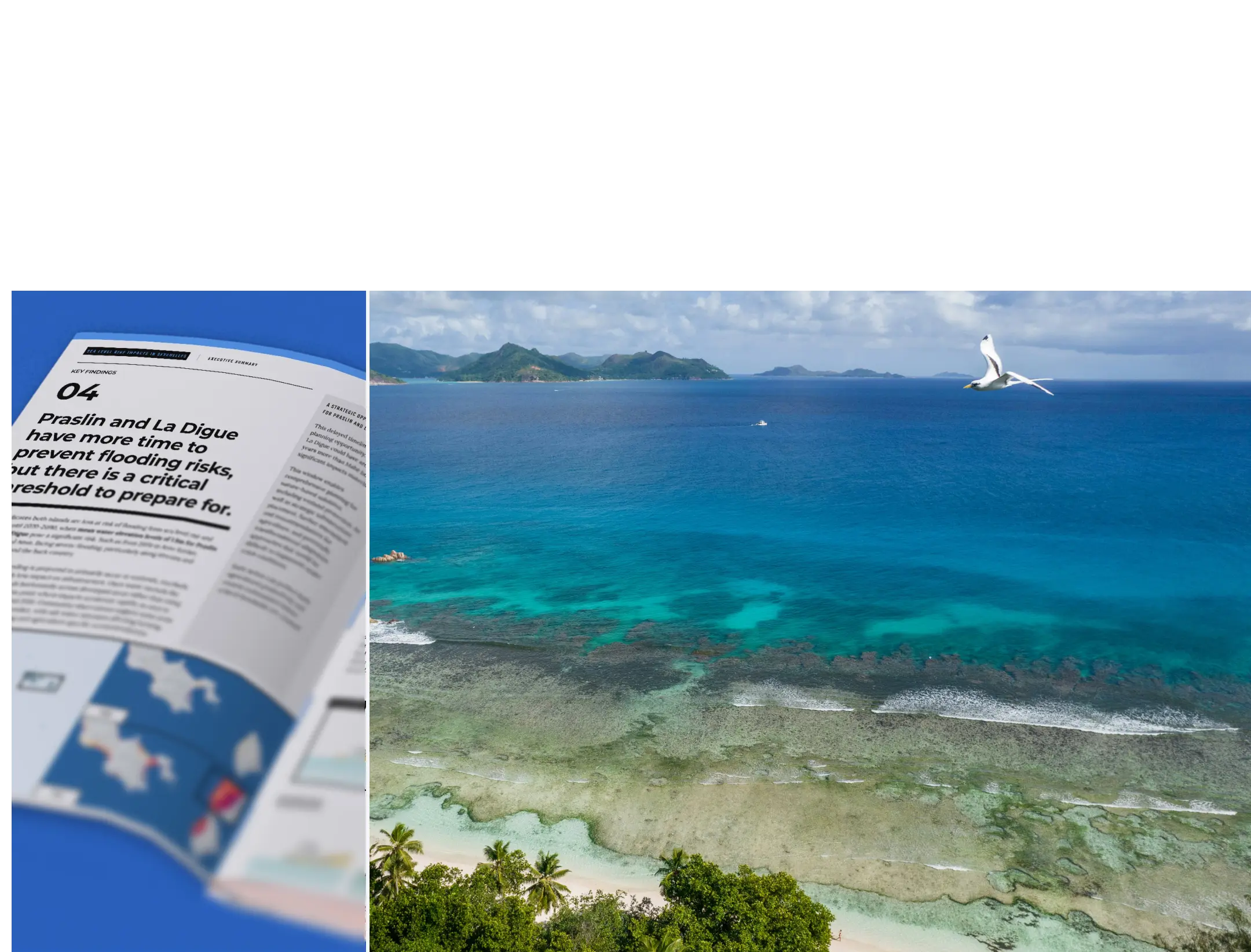
The critical threshold for Praslin and La Digue timeline is an opportunity for nature based solutions, further research and community engagement.
Writing the Seychelles policy brief.

Delivered with impact.
More than writing.
A good policy brief isn’t just about what is said, it’s about how stakeholders are engaged along the way. The University of Kiel had already established a great relationship with the stakeholders through their 5 year-long research and had garnered solid knowledge. We utilised Kiel’s results and helped include all impacted stakeholders in the final findings.
Rather than presenting the final brief to them, we felt it was important to include them for feedback and give them the possibility to influence iterations, as well as encourage further buy-in and understanding of the research.
Policy recommendations.
Where people build and live matters… a lot. Population development patterns are a clear driver of risk, so future development needs to be steered away from high-flood risk areas and communities engaged early in adaptation planning.
Protecting and restoring wetlands is a vital long term strategy for reducing flood risk.
Climate mitigation is crucial, but how the Seychelles archipelago adapts to future flood risk is equally essential. Early adaptation will cost less than delayed responses.
Explore integrating nature-based solutions with hard adaptation measures to effectively address future risks.
Promote consultation with communities living in flood prone areas to support adaptation planning and enhance preparedness.